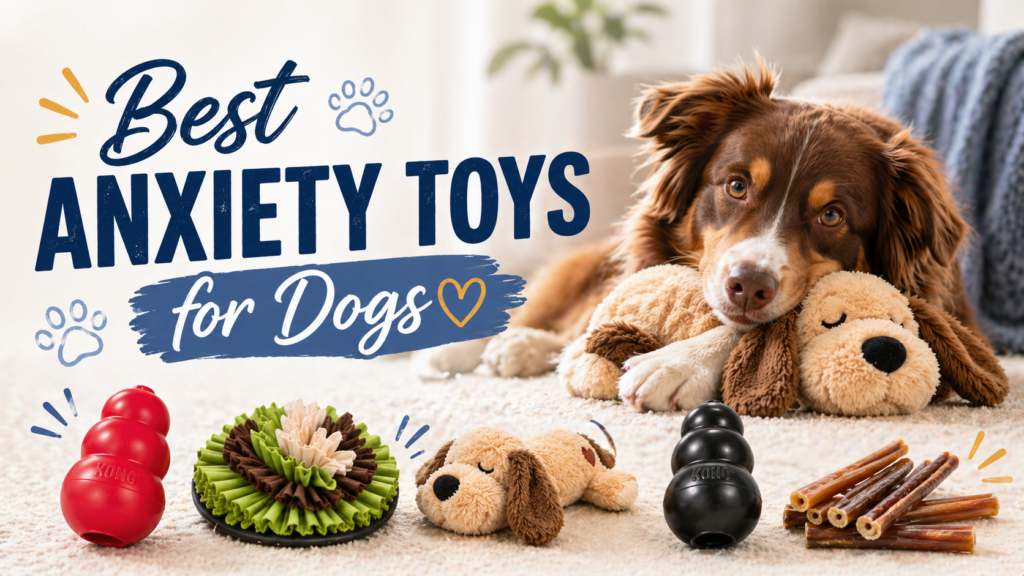
The right toy depends on what kind of anxiety your dog is dealing with. Pick your situation below — then scroll to the products that match.
Do they actually work?
Chewing releases endorphins and lowers cortisol. Mental engagement quiets anxious rumination. Comfort objects with warmth and scent reduce fearfulness. The right toy genuinely helps — but it supports a behavioral approach, not replaces one. For severe dog anxiety, start with a behavior plan first.
For Separation Anxiety
Only give these when you leave — so your departure becomes a signal that something good is about to happen. Introduce them at home first so your dog knows how to use them before they’re stressed.
Top pick
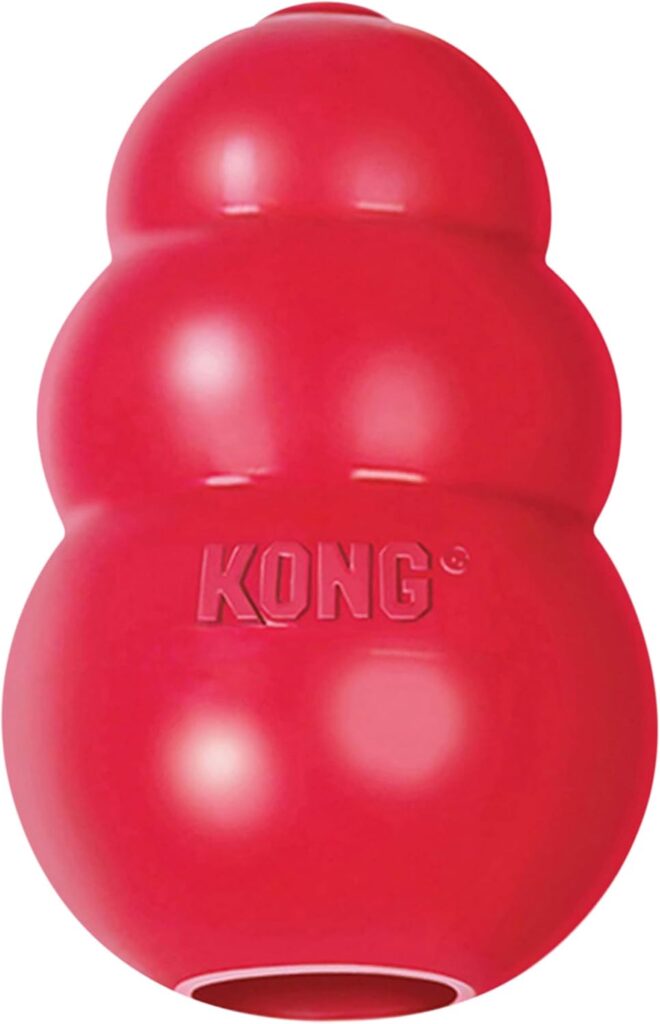
Kong Classic (frozen)
Fill with peanut butter or wet food and freeze overnight. Takes 20–40 minutes to work through — exactly when separation anxiety peaks. Buy three so one is always ready.
Also good
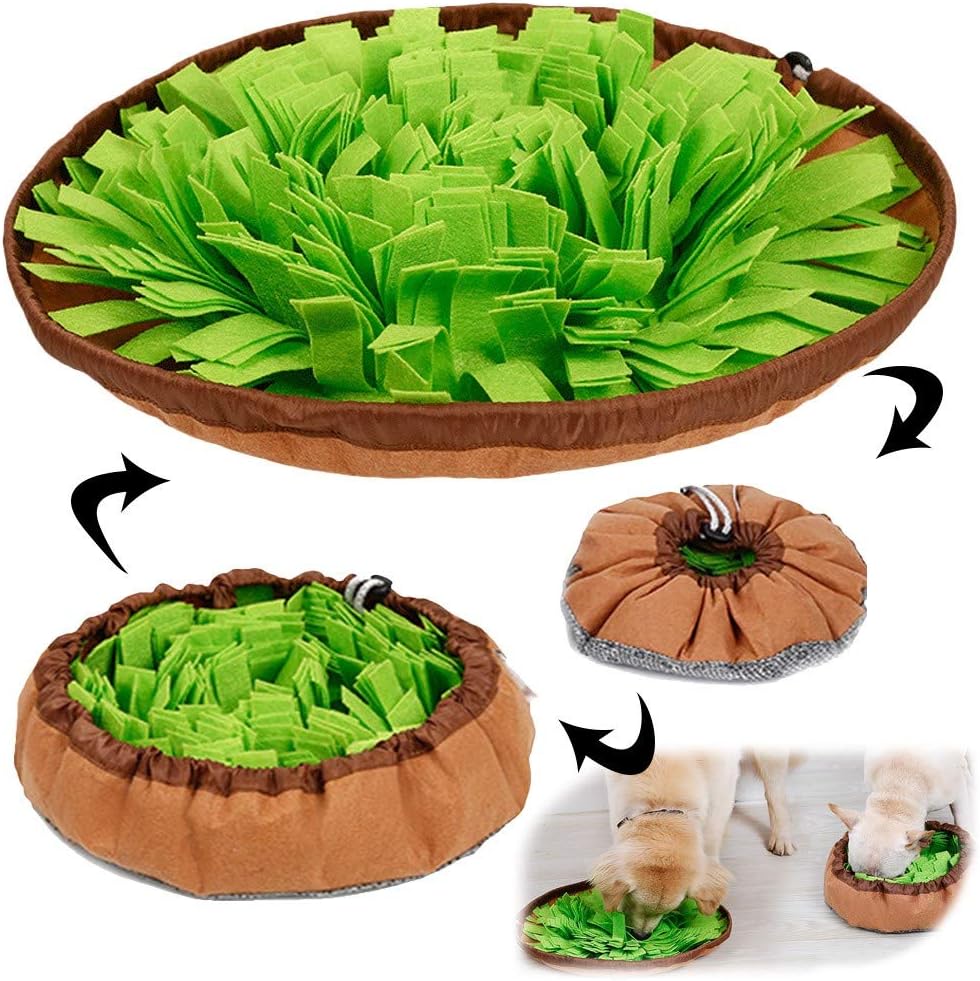
Snuffle mat
Scatter kibble into the mat before leaving. Nose work is naturally calming and tiring. Good for dogs who aren’t food-motivated enough to engage a Kong when stressed.
For Fearfulness & General Anxiety
Fearful dogs need comfort and security, not distraction. The best soothing dog toys here act like a security blanket — something warm, familiar, and reassuring to return to.
Top pick
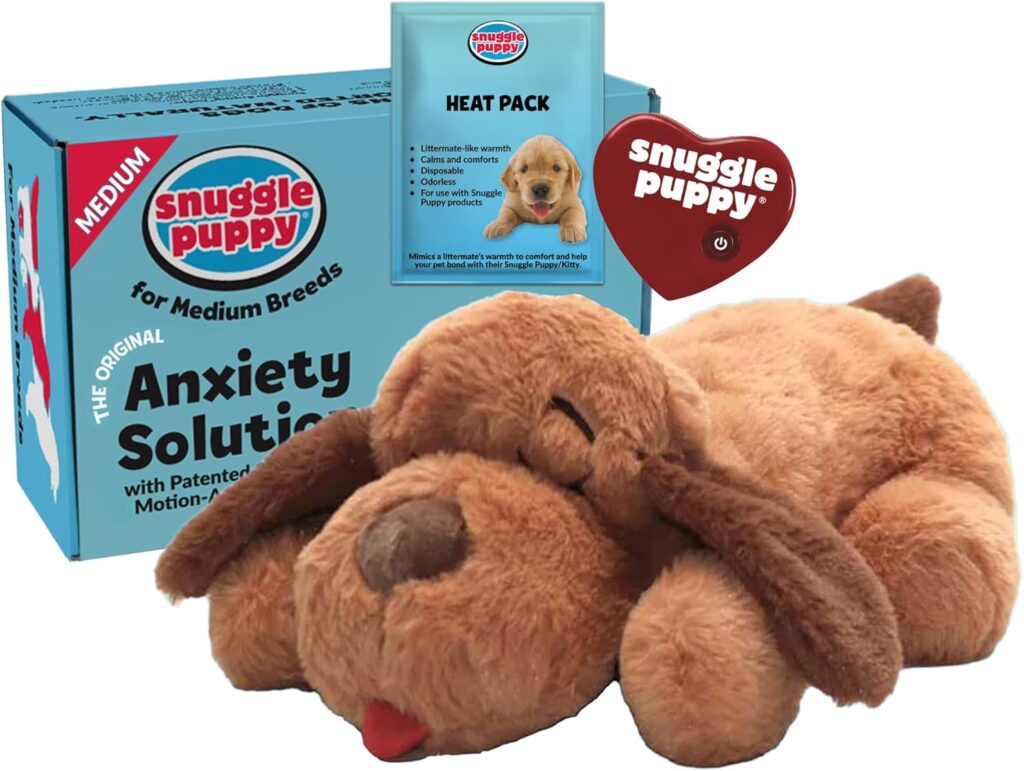
SmartPetLove Snuggle Puppy
Heartbeat simulator + heat pack — mimics another dog’s physical presence. The most research-backed dog comfort toy available. Works for thunderstorms, vet visits, and newly adopted rescue dogs.
FREE TRICK
Rub any soft toy against your skin before giving it. Your scent is genuinely calming for an anxious dog — no extra purchase needed.
For Stress Chewing
Redirecting is better than fighting it. Calming chew toys for dogs give the behavior somewhere appropriate to go — and the chewing itself measurably lowers cortisol. Durability is everything here.
Top pick
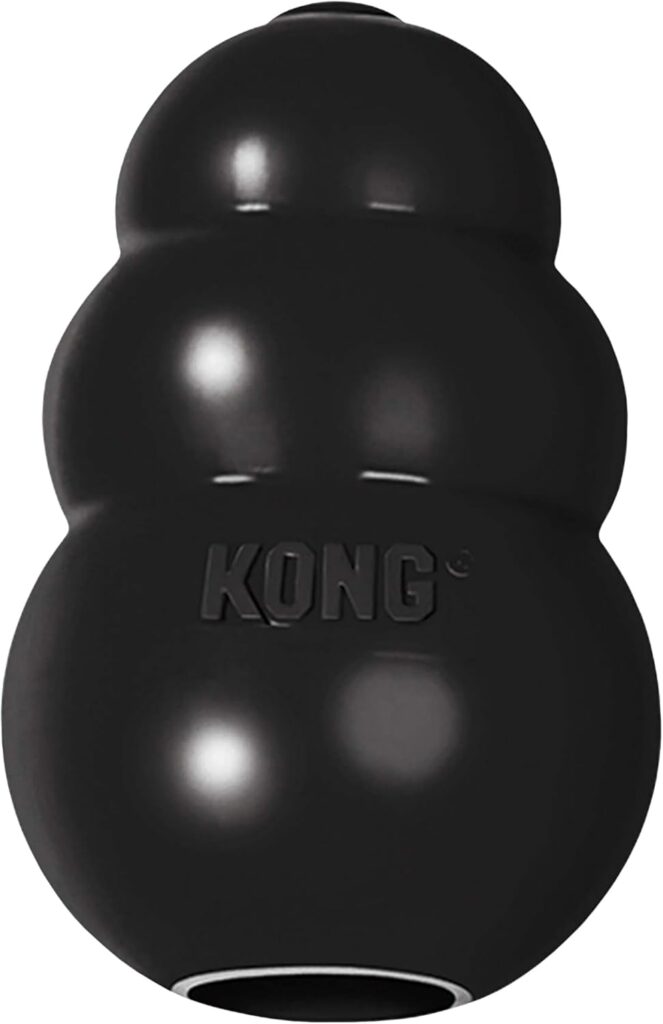
Kong Extreme (black)
Significantly tougher than the classic red version — built for power chewers. Use filled or empty. The resistance and sustained engagement are the point, not just the food.
Also good
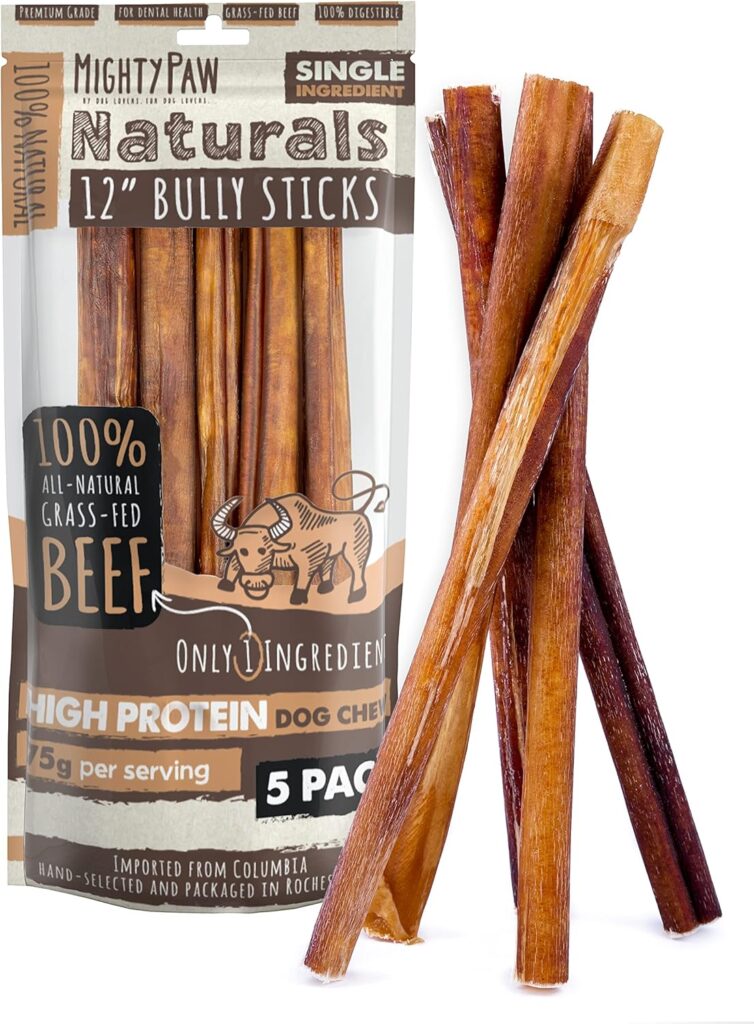
Bully sticks
Natural, fully digestible, 30–60 min engagement. The best chew toy for dogs with anxiety who need extended time to decompress. Use a holder to prevent swallowing the last inch.
For Puppies
Two overlapping needs: comfort from loneliness, and an outlet for the urge to chew. These two together cover almost everything a new puppy needs to settle in.
Top pick
Snuggle Puppy + Kong Puppy (frozen)
Snuggle Puppy for nights — the heartbeat feature significantly reduces crying in the first days. Kong Puppy (softer rubber) frozen for crate time. The two best calming toys for puppies, used together.
What to Avoid
- Toys that need you. Tug, fetch — anything requiring a human increases dependence and makes separation harder.
- Toys that are too easy. Thirty seconds of engagement isn’t anxiety management. Aim for 15–20 minutes minimum.
- Only giving the toy when your dog is already anxious. It becomes a stress cue, not a calming one. Introduce toys during calm moments too.
- Squeaky toys for noise-sensitive dogs. Unpredictable sounds add to the load, not reduce it.
SAFETY
Check toys regularly for damage. A determined chewer can access squeakers, stuffing, and rope — all choking hazards once a corner opens. Supervise until you know what your dog will and won’t destroy.
Common Questions
Do anxiety toys actually work for dogs?
Yes, when matched to the right type of anxiety. Chewing lowers cortisol through endorphin release. Puzzle toys redirect anxious energy. Comfort toys reduce fearfulness. None treat the root cause of dog anxiety — but the right toy lowers baseline stress, especially used alongside routine and training.
My dog destroys every toy. What actually lasts?
Kong Extreme (black), West Paw Zogoflex, and natural chews like bully sticks or yak chews. Avoid anything with squeakers, stuffing, or rope once you know your dog shreds — those all become hazards once a corner opens.
What’s the best toy for a dog with separation anxiety?
A frozen Kong — introduce it at home first, then only give it when you leave. For dogs who aren’t food-motivated when stressed, a snuffle mat is a good alternative.
Can toys help with puppy separation anxiety?
Yes. A Snuggle Puppy and frozen Kong Puppy cover the two main sources of distress — loneliness and boredom. Introduce both at home during calm moments before relying on them during crate time.
What’s driving the anxiety?
Toys help manage symptoms. Knowing the type of anxiety changes the whole treatment approach.
Disclosure: As an Amazon Associate, Calm Dog Lab earns from qualifying purchases. This means if you click on a product link and make a purchase, we may receive a small commission at no extra cost to you.